Information
Landmark: Museo de Arte y CulturaCity: Tarija
Country: Bolivia
Continent: South America
Museo de Arte y Cultura, Tarija, Bolivia, South America
Overview
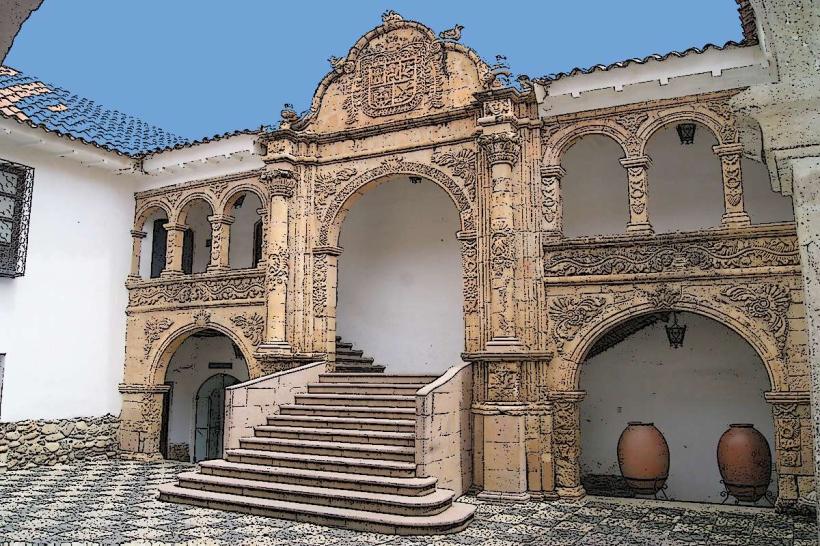
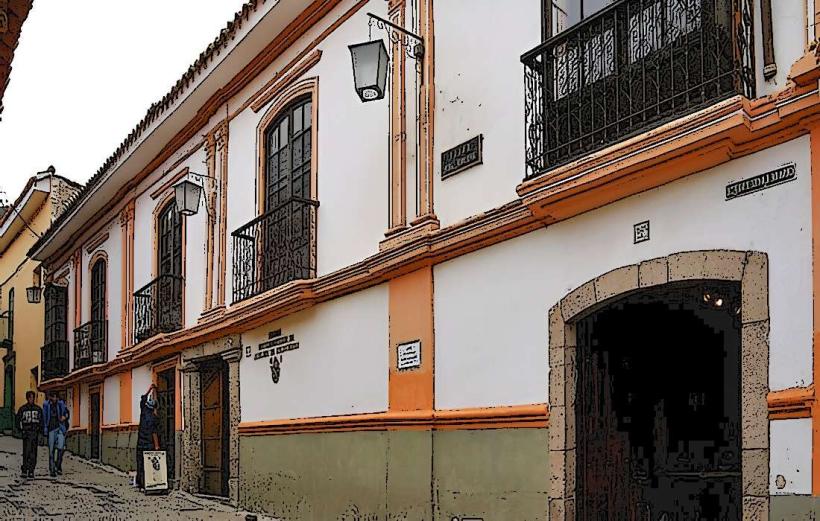
In Tarija, Bolivia, the Museo de Arte y Cultura stands as one of the region’s most pivotal cultural hubs, where vibrant paintings, ancient artifacts, and indigenous crafts are carefully preserved and displayed, meanwhile the museum takes visitors on a vivid journey through Tarija’s art, from the earthy patterns of pre-Columbian pottery to the refined brushstrokes of colonial portraits and bold strokes of modern canvases.Set inside a historic colonial-style building with sun-worn wooden doors, the museum captures Tarija’s rich cultural heritage and doubles as a gallery and a destination to learn, not only that anyone curious about Bolivian art, history, and traditional craftsmanship should stop here-it’s the kind of region where you can almost smell the polished wood of hand-carved masks.The museum began with a simple mission: to preserve Tarija’s rich artistic and cultural heritage, from vibrant folk costumes to century-historic paintings, along with it sits inside a beautifully preserved colonial mansion, a historic gem with whitewashed walls, soaring wooden ceilings, and wide arched corridors that echo under your footsteps.Over the years, it’s grown into a vibrant hub for artistic expression, with permanent galleries and ever-changing shows that might feature anything from bold oil paintings to delicate glass sculptures, besides artists, historians, and scholars now gather here, drawn by the chance to explore Bolivia’s rich cultural identity-like the luminous weave of a traditional aguayo cloth.Primary Exhibits and Collections 1, furthermore the museum’s fine art collection spans centuries, with vivid oil paintings, intricate sculptures, and sacred relics that range from medieval crosses to gilded icons.Colonial and Religious Art showcases 17th- and 18th-century paintings from Bolivia’s Spanish colonial era, their colors still rich with age and candlelight, at the same time the works portray Catholic saints, vivid biblical scenes, and the Virgin Mary, blending the rich colors of Spanish art with the intricate patterns of indigenous tradition.Members of the Cuzco School painted some of the works, blending European techniques with Andean colors as vivid as freshly dyed wool, furthermore you can also behold wooden religious sculptures and hand-carved altarpieces from colonial churches, their surfaces worn smooth by centuries of touch.Bolivian art from the 19th and 20th centuries captures portraits of notable figures, sweeping mountain landscapes, and everyday moments from Tarija and beyond, therefore paintings by renowned Bolivian artists showcase modern and contemporary takes on the region’s culture and folklore, from vivid carnival masks to serene mountain landscapes.Impressionist brushstrokes and bold abstract forms trace the shifting face of Bolivian art through the 20th century, from soft pastel skies to jagged bursts of color, at the same time number two.The museum devotes a wide section to indigenous Tarijeño culture, showcasing intricate weavings, spiritual traditions, and glimpses of everyday village life, equally important handwoven fabrics from the Guaraní, Weenhayek, and other indigenous groups, each thread carrying the colors and patterns of their traditions, in some ways In a way, glimpse ancient weaving come alive with intricate patterns, rich natural dyes, and the skilled hands of local artisans, meanwhile ceramics and pottery: Pre-Columbian pieces served both in sacred rituals and in everyday tasks, from holding water to storing grain, occasionally Intricate patterns echo the myth and spirit of indigenous cultures, like swirling lines shaped after a serpent god, also wood carvings and handicrafts-intricate figures and sacred icons shaped from warm, fragrant wood using time‑honored tools and methods.Festival and dance masks bring spirits and folklore characters to life, their painted eyes catching the flicker of torchlight, besides number three.The museum showcases a rich collection of artifacts from Tarija’s colonial and republican eras, from weathered church bells to worn leather-bound ledgers, offering visitors a vivid glimpse into the city’s past, along with antique furniture with worn brass handles, handwritten manuscripts, and personal items once owned by notable historical figures.Early maps of Tarija and its surrounding valleys reveal how the region grew under Spanish rule, with winding roads sketched in faded ink, as a result coins, polished swords, and faded papers tied to Bolivia’s fight for independence and its national identity.Number four, and at the Museo de Arte y Cultura, the air often hums with activity as rotating exhibitions bring works from local painters and far‑off creators into its luminous, echoing halls.Lively workshops and engaging lectures cover art history, painting techniques, and the region’s heritage, from the smell of fresh oil paint to stories passed down for generations, consequently experience live performances of traditional music and dance, alive with the vibrant colors and rhythms of Tarija’s folklore.Frankly, The museum’s colonial-style building draws visitors on its own, with soaring ceilings, echoing arched corridors, and heavy wooden doors that recall Bolivia’s Spanish-era architecture, to boot the interior patio offers a quiet spot to unwind, where you can feel the soft warmth of Tarija’s mild air on your skin.The museum plays a key role in Tarija’s push to preserve its cultural heritage, so future generations can meander its halls and truly understand where they come from, and the museum helps keep culture alive, offering guided tours that bring history to life and running educational programs for students, researchers, and art lovers alike.It champions young artists by giving them a area to hang their paintings on vivid white walls and meet fellow creatives, as a result it sparks cultural dialogue and a love for Bolivia’s rich artistic traditions by hosting lectures, unveiling recent books, and setting up interactive exhibits where visitors can run their fingers over intricate woven patterns.In the end, the Museo de Arte y Cultura in Tarija isn’t just an art gallery-it’s a cultural gem where you can trace the region’s artistic, historical, and indigenous roots, from vivid woven textiles to weathered colonial sketches, moreover packed with diverse exhibitions, colonial-era relics, and a fierce dedication to artistic expression, it’s still the venue to go if you want to feel the heartbeat of Bolivia’s rich cultural identity.
Author: Tourist Landmarks
Date: 2025-09-18